Why More Athletes Are Choosing a Vegan Lifestyle
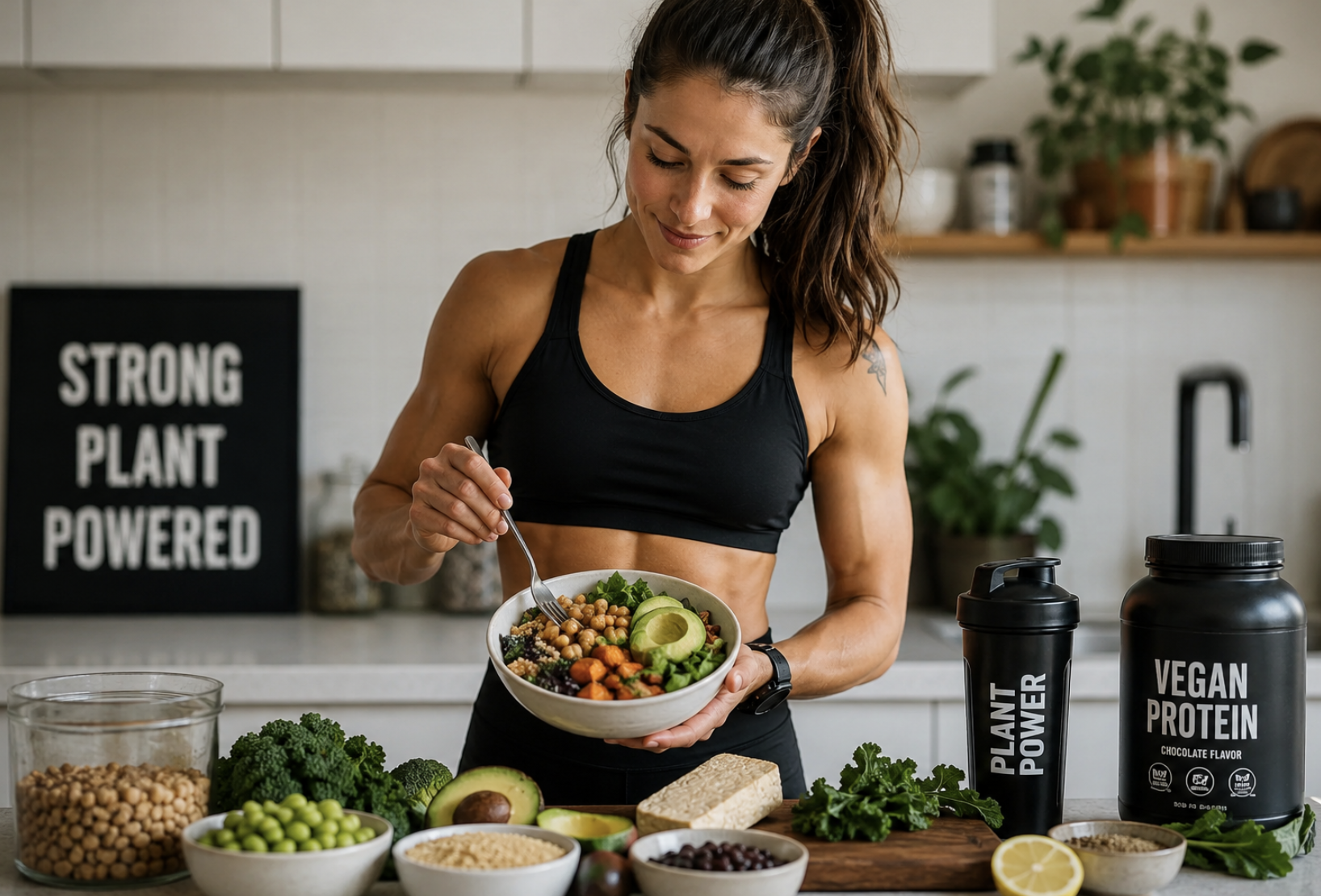
Athletes are increasingly turning to plant-based diets for several reasons:
Improved recovery
Reduced inflammation
Better digestion
Increased nutrient intake
Enhanced cardiovascular health
Ethical considerations
Environmental sustainability
Plant foods provide vitamins, minerals, antioxidants, and phytonutrients that help combat the oxidative stress created by intense training. This can support faster recovery and overall health while allowing athletes to train consistently.
Many athletes notice improvements in energy levels and digestion when transitioning to a well-balanced vegan diet. Without the heavy saturated fat load often associated with animal products, blood flow and nutrient delivery may improve, helping support performance and recovery.
The Protein Myth
The most common question vegan athletes hear is:
"Where do you get your protein?"
Protein is essential for:
Muscle repair
Muscle growth
Recovery
Immune function
Hormone production
Enzyme production
Tissue maintenance
While protein is important, athletes often overestimate how much they need and underestimate how much protein exists in plant foods.
Research suggests that athletes aiming to maximize muscle growth and recovery should consume approximately:
1.6–2.2 grams of protein per kilogram of body weight per day
For a 75kg athlete, that equals:
120–165 grams of protein daily
This is completely achievable on a nut-free vegan diet.
The Best High-Protein Nut-Free Vegan Foods
Tofu
Tofu is one of the most valuable foods for vegan athletes.
Benefits include:
Complete protein
Rich in calcium
High iron content
Versatile and affordable
Protein content:
100g firm tofu = 12–15g protein
200g serving = 24–30g protein
Tofu can be grilled, baked, scrambled, air-fried, or added to stir-fries and salads.
Tempeh
Tempeh is made from fermented soybeans and contains even more protein than tofu.
Benefits:
High protein
Excellent gut health support
Rich in minerals
Highly satiating
Protein content:
100g = 18–20g protein
Tempeh works well in sandwiches, bowls, wraps, and stir-fries.
Seitan
Seitan is one of the highest-protein vegan foods available.
Protein content:
100g = 25–30g protein
Benefits:
Extremely high protein
Low fat
Great texture for athletes wanting a meat alternative
For athletes without gluten sensitivity, seitan can dramatically increase daily protein intake.
Textured Vegetable Protein (TVP)
TVP is often overlooked despite being one of the most economical protein sources available.
Protein content:
50g dry serving = approximately 25g protein
Benefits:
Inexpensive
Shelf stable
Easy to prepare
Extremely versatile
TVP can be added to pasta sauces, tacos, burritos, chili, and rice dishes.
Edamame
Edamame provides both protein and carbohydrates for recovery.
Protein content:
1 cup = 17–18g protein
Benefits:
High fibre
Rich in iron
Excellent snack option
Soy Milk
Soy milk contains significantly more protein than most plant milks.
Protein content:
250ml = 7–10g protein
Athletes can use soy milk in:
Smoothies
Protein shakes
Oats
Coffee
Vegan Protein Powder
Protein powder is not mandatory, but it makes reaching athletic protein targets much easier.
Benefits:
Convenient
Fast digesting
Useful post-workout
Protein content:
20–30g per scoop
Choose blends made from:
Soy protein isolate
Pea protein
Brown rice protein
Faba bean protein
Building Muscle on a Nut-Free Vegan Diet
Muscle growth requires three primary factors:
Progressive Overload
Your training must become progressively more challenging over time.
Examples:
More weight
More reps
More sets
Better technique
Without progressive overload, muscle growth stalls regardless of protein intake.
Adequate Protein
Athletes should distribute protein throughout the day.
Aim for:
25–40g protein per meal
4–6 meals daily
This maximizes muscle protein synthesis and recovery.
Sufficient Calories
One of the biggest mistakes vegan athletes make is undereating.
Plant foods can be highly filling while being relatively low in calories.
Muscle growth requires:
Calorie surplus
Consistent nutrition
Recovery
If muscle gain is your goal, track intake to ensure you're eating enough.
Recovery Nutrition for Vegan Athletes
Training breaks muscle tissue down.
Recovery is where adaptation occurs.
Key post-workout priorities include:
Protein
Consume:
20–40g protein within a few hours after training.
Examples:
Protein shake
Tofu meal
Tempeh bowl
Seitan wrap
Carbohydrates
Carbohydrates replenish glycogen stores.
Excellent options include:
Rice
Potatoes
Oats
Fruit
Pasta
Bread
Athletes often fear carbohydrates unnecessarily.
Carbohydrates are the body's preferred fuel source during high-intensity exercise.
Hydration
Even mild dehydration can negatively impact performance.
Athletes should:
Drink consistently throughout the day
Replace electrolytes after intense training
Monitor urine colour
Important Nutrients for Nut-Free Vegan Athletes
Iron
Iron helps transport oxygen throughout the body.
Low iron can result in:
Fatigue
Poor recovery
Reduced endurance
Excellent vegan iron sources:
Tofu
Tempeh
TVP
Lentils
Pumpkin seeds
Spinach
Pair with vitamin C-rich foods for better absorption.
Vitamin B12
Vitamin B12 is essential for:
Energy production
Nervous system function
Red blood cell formation
All vegan athletes should supplement B12 consistently.
Calcium
Strong bones are critical for athletes.
Sources include:
Calcium-set tofu
Fortified soy milk
Bok choy
Kale
Broccoli
Omega-3 Fatty Acids
Omega-3s support:
Brain health
Recovery
Inflammation management
Nut-free sources:
Chia seeds
Hemp seeds
Ground flaxseed
Algae supplements
Zinc
Zinc supports:
Recovery
Hormone production
Immune function
Sources include:
Pumpkin seeds
Legumes
Whole grains
Tofu
Sample High-Protein Nut-Free Vegan Athlete Meal Plan
Breakfast
Protein oats
80g oats
300ml soy milk
1 scoop vegan protein powder
Berries
Protein: 40g
Morning Snack
Edamame
Protein: 18g
Lunch
Tofu rice bowl
250g tofu
Rice
Mixed vegetables
Protein: 38g
Pre-Workout
Banana and protein shake
Protein: 30g
Dinner
Seitan pasta
200g seitan
Pasta
Tomato sauce
Vegetables
Protein: 55g
Evening Snack
Soy yoghurt and fruit
Protein: 15g
Total Daily Protein
Approximately:
196 grams of protein
Common Mistakes Vegan Athletes Make
Not Eating Enough Protein
Prioritize protein at every meal.
Fear of Soy
Soy is one of the most researched foods in the world and is a valuable protein source for vegan athletes.
Ignoring Recovery
Training hard without adequate sleep and nutrition limits progress.
Undereating Carbohydrates
Carbohydrates fuel performance, recovery, and muscle growth.
Not Planning Meals
Athletes should prepare meals ahead of time to consistently meet nutritional targets.
Final Thoughts
Being a nut-free vegan athlete is not a disadvantage—it can be a powerful way to fuel performance, recovery, and long-term health. By focusing on high-quality plant proteins such as tofu, tempeh, seitan, TVP, edamame, soy milk, and vegan protein powder, athletes can easily achieve protein intakes that support muscle growth, strength development, endurance, and recovery.
Success as an athlete comes from consistency, intelligent training, adequate nutrition, quality sleep, and proper recovery. A well-planned nut-free vegan diet can provide all of these foundations while delivering the vitamins, minerals, antioxidants, and fibre needed to thrive both in sport and in life.
